
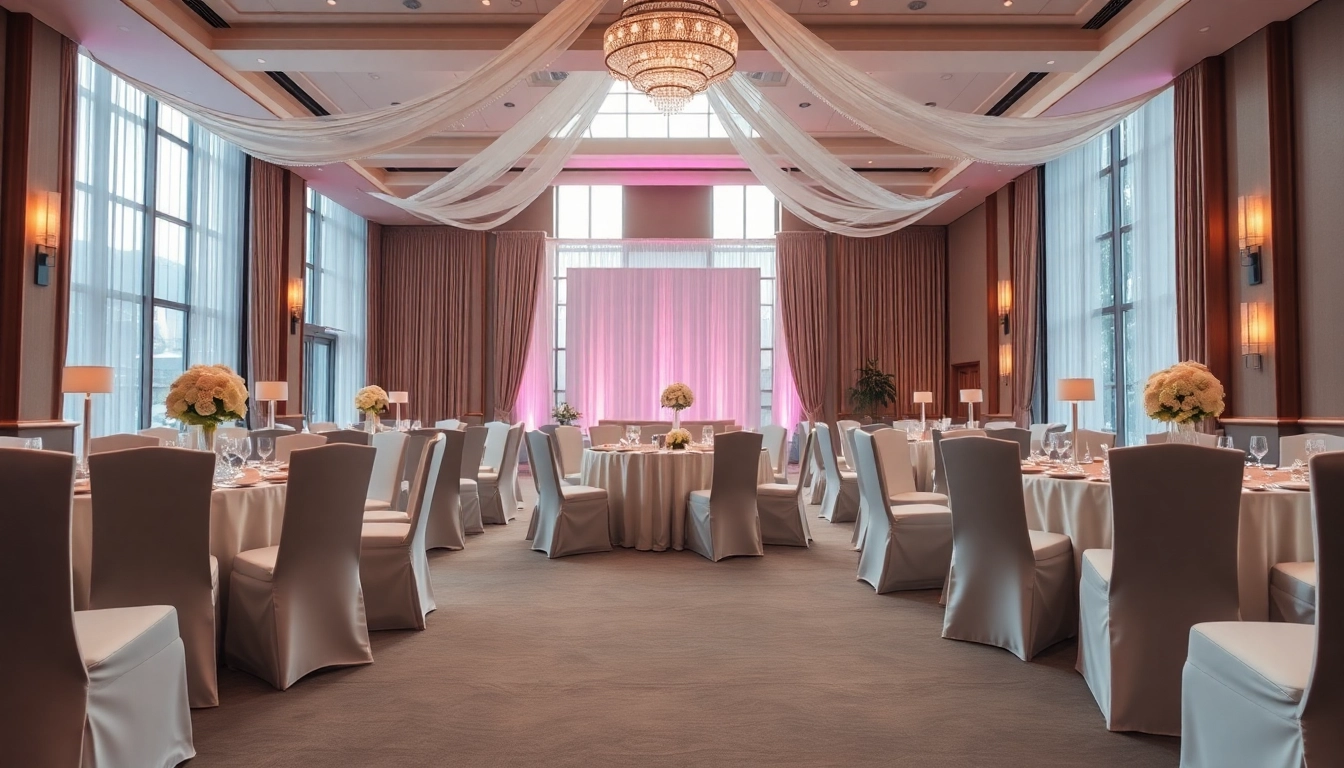
Understanding Event Needs
Planning a successful event requires a thorough understanding of what you need to create memorable experiences for your guests. This process begins with identifying the type of event, understanding the guest experience, and setting a realistic budget. By doing so, you can layout a framework that aligns all elements of your event towards achieving your goals. For furniture and decor solutions, you can find invaluable resources and options at https://www.casablancahire.co.uk/.
Identifying the Type of Event
The type of event you are planning significantly influences not just the furnishings and decor, but also the overall atmosphere. Whether it’s a corporate gala, wedding, birthday party, or a community festival, each event brings its own set of requirements. For instance, a corporate event might prioritize functionality and professionalism, whereas a wedding might focus on romance and elegance. Understanding these different vibes helps streamline the selection of furniture and decorations, ensuring they align with the intended experience of the occasion.
Guest Experience Considerations
Your guests’ experience should be at the forefront of your planning. Consider factors such as comfort, accessibility, and engagement. The arrangement of furniture can create intimate spaces for conversation or larger areas for networking. Event feedback often highlights the importance of comfortable seating and accessible layouts. A thorough understanding of your attendees’ needs can lead to choices that enhance their enjoyment and interaction with the event.
Setting a Realistic Budget
Budgeting is an essential part of event planning that cannot be overlooked. Allocate funds not only for furnishings and decor but also for logistics, catering, and entertainment. A detailed budget helps avoid overspending and ensures you can invest adequately in key components that impact guest experience. Be sure to prioritize elements that reflect your event’s theme and objectives, which ultimately enhances the overall success of the gathering.
Choosing the Right Furniture for Your Event
Choosing the appropriate furniture is pivotal to set the tone and functionality of your event. Different events require an assortment of furniture styles that can fulfill practical needs while also enhancing aesthetic appeal. In this section, we will explore the different types of furniture available as well as the balance between functionality and aesthetics.
Types of Furniture Available
When planning your event, consider available furniture options such as lounge seating, dining tables, cocktail tables, and decorative pieces. The choice of furniture should complement the theme of the event while fulfilling the needs of guests. For example, lounge areas with comfortable seating encourage relaxation while dining setups should ensure all guests can easily be served and enjoy their meals.
Functionality vs. Aesthetics
The balance between functionality and aesthetics is vital for a well-designed event space. While aesthetics can create the right mood and theme, functionality ensures that guests are comfortable and can engage effectively. Consider modular furniture that can easily be rearranged to suit various activities throughout the event, thereby maximizing the flow of movement and interaction.
Seating Arrangements for Engagement
Arranging seating thoughtfully can significantly enhance guest engagement. Decide whether a banquet-style seating arrangement would encourage interaction, or if cluster seating might create a more intimate atmosphere. Interactive seating arrangements can stimulate conversation and foster connections amongst attendees. Additionally, consider standing tables which invite mingling and make spaces feel more dynamic.
Incorporating Decor Elements
Once you have established the foundational layout for your event with furniture selections, the next step is to weave in celebratory decor elements that transform the space into your envisioned atmosphere. This process includes everything from selecting color schemes to focusing on atmospheric lighting.
Color Schemes and Themes
The colors utilized in your event can set an emotional tone, from warm and inviting to cool and professional. Establishing a cohesive color palette that aligns with your theme allows for everything from table linens to flower arrangements to harmonize. Use colors not just to evoke mood, but also to enhance brand identity if applicable.
Lighting Techniques for Atmosphere
Lighting is an often underappreciated aspect that dramatically changes the ambiance of an event. Employ various lighting techniques such as uplighting, spotlighting for key areas, and ambient lighting to suit the time of day and event style. Remember to discuss lighting options with your venue, as this can significantly contribute to the overall atmosphere.
Centerpieces and Accessories
Centerpieces and decorative accessories serve as focal points that can tie your entire theme together. Consider natural elements like flowers, or thematic elements that reflect the essence of the event. Ensure that your centerpieces do not obstruct views or make conversation difficult. Thoughtful accessory choices can enhance not just the look but also the feel of your event.
Logistics and Planning for Seamless Execution
Effective planning and attention to logistics are essential for ensuring the execution of your event runs smoothly. This entails organizing a clear timeline, delivery and setup processes, and securing on-site support for management.
Timelines and Coordination
Establishing a detailed timeline is imperative. From vendor schedules to setup times, a clear timeline provides a roadmap for everyone involved and reduces the risk of confusion or delays. Coordination between different teams, such as catering, decor, and audiovisual, is critical to ensure all elements come together seamlessly.
Delivery and Setup Checklist
Creating a checklist for delivery and setup ensures that every piece of furniture and decoration is accounted for. This checklist can include items such as confirming the type of furniture ordered, the placement of each piece, and any additional decor components. Having a clear checklist facilitates efficient setup and reduces the likelihood of overlooking details.
On-Site Support and Management
On-event management plays a crucial role in maintaining order and addressing any unforeseen issues effectively. Assign specific team members roles regarding guest coordination, furniture setup, and troubleshooting. Having responsible personnel on-site ensures that guests receive the best experience and that any situations are handled swiftly.
Maximizing Impact through Branding
Branding during events takes many forms, from visual elements to the overall atmosphere. By personalizing event spaces, conveying brand messaging through decor, and analyzing post-event feedback, you maximize the impact of your brand on attendees.
Personalizing Event Spaces
Personalization can involve incorporating the brand logo into decor elements, creating themed photo booths, or offering customized favors. By integrating personalized elements, you enhance brand recognition while offering unique experiences for your guests. This level of detail does not go unnoticed and can significantly impact attendee perception and loyalty.
Brand Messaging through Decor
Every aspect of your decor should communicate your brand values and message, from the color choices to the design of the invitations and signage. Consider integrating quotes, taglines, or visuals that align with the brand at various focal points within the event. This strategy consistently reinforces your brand identity and creates a cohesive experience.
Post-Event Evaluation and Feedback
After the event concludes, evaluating its success based on feedback received is crucial for future planning. Distribute surveys to collect insights from attendees regarding their experiences and suggestions for improvement. Analyzing this feedback can lead to a clearer understanding of what resonates with your audience, guiding your efforts for subsequent events.
Frequently Asked Questions
What factors should I consider when choosing furniture for my event?
Consider the event type, guest comfort, and decor theme. Ensure the furniture complements the environment while being functional for guests’ needs.
How can I create an engaging atmosphere for my guests?
Utilize a mix of seating arrangements, interactive decor, and lighting techniques to foster conversation and create a welcoming vibe.
What is the importance of setting a budget?
A budget guides all planned expenses, helping to prioritize spending on essential items that enhance the guest experience without overspending.
How do I measure the success of an event?
Success can be measured through attendee feedback, engagement levels during the event, and overall satisfaction ratings collected post-event.
What logistical considerations must be kept in mind?
Key logistical considerations include timeline coordination, vendor schedules, delivery and setup of furniture, and on-site management for smooth execution.


