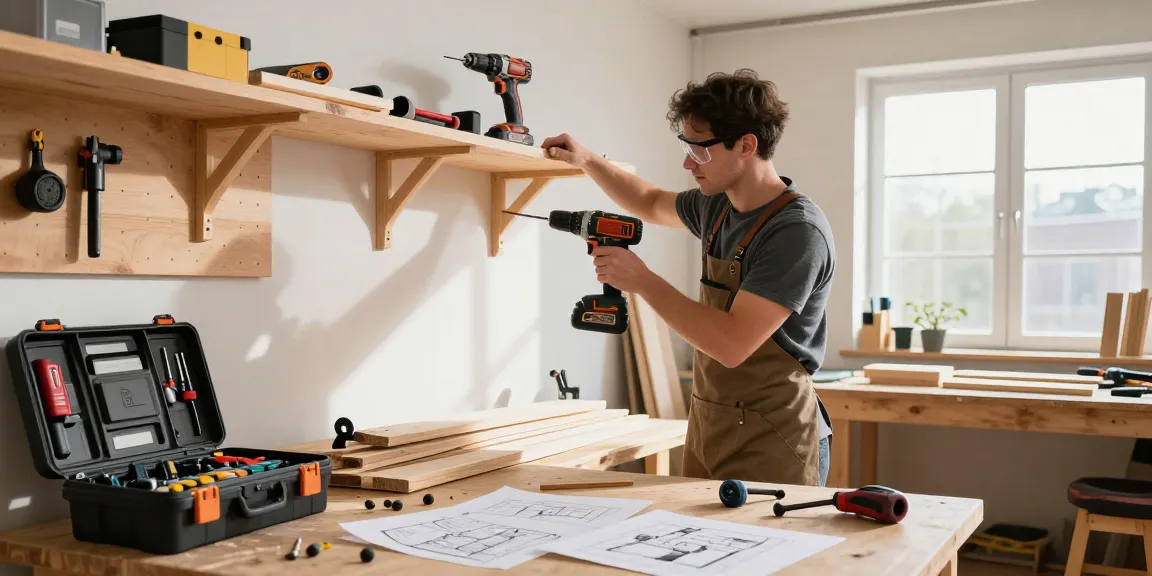
Understanding the Stanley Drill: Features and Benefits
Stanley drills have established themselves as a trusted choice for both professionals and DIY enthusiasts alike. Known for their durability, advanced technology, and user-friendly features, these tools consistently deliver high performance across a variety of applications. When exploring options, a stanley drill provides comprehensive insights into the world of power tools.
Overview of Stanley Drill Models
Stanley has a range of cordless drills, each designed to cater to different project needs. Key models include the Stanley FatMax, renowned for its power and durability, and the Stanley Li-Ion cordless drill, known for its lightweight design and long battery life. Understanding the specifications and intended use of each model is crucial for selecting the right tool for your specific tasks.
Key Features of Stanley Drills
- High Torque Options: Many Stanley drills offer adjustable torque settings, allowing users to control the level of power applied during various tasks.
- Lightweight Design: Stanley focuses on ergonomic design, making their drills easy to handle and reducing fatigue during prolonged use.
- Fast Charging: With advancements in battery technology, many models feature quick-charge capabilities, minimizing downtime during work.
- Durability: Stanley drills are built to withstand tough conditions, often featuring robust materials that enhance longevity.
Benefits of Using Stanley Drills for Professionals
For professionals, the reliability of a Stanley drill translates to time and cost savings. With superior power and features, these drills enhance productivity, allowing users to complete tasks more efficiently. The brand’s reputation for quality means that users can trust their tools to perform consistently, even in the most challenging environments.
Choosing the Right Stanley Drill for Your Project
Factors to Consider When Selecting a Drill
When selecting a Stanley drill, various factors should influence your choice. Consider the type of projects you regularly undertake—do you need a drill for heavy-duty applications or lighter tasks? Additionally, evaluate battery life, power, weight, and ergonomic factors, as these can impact overall usability during projects.
Common Applications for Stanley Drills
Stanley drills are versatile tools suitable for a wide array of applications, ranging from furniture assembly and home renovation projects to professional construction tasks. Some common uses include:
- Drilling holes in wood, metal, and plastic
- Driving screws into various materials
- Mixing paints or adhesives with applicable attachments
- Performing maintenance tasks around the house
Comparison of Stanley Drills vs. Competitors
While many brands produce quality drills, Stanley stands out for its commitment to innovation and quality. Compared to competitors like Makita or DeWalt, Stanley’s drills often provide similar or superior features at a more accessible price point, making them a preferred choice for contractors and DIY enthusiasts alike.
Best Practices for Using Your Stanley Drill Effectively
Step-by-Step Guide to Drilling Techniques
To maximize the effectiveness of your Stanley drill, follow these essential drilling techniques:
- Choose the Right Bit: Ensure that you are using the correct drill bit for the material.
- Set the Torque: Adjust the torque setting according to the task—lower for driving screws, higher for drilling.
- Mark Your Spot: Use a pencil or marker to indicate where you will drill.
- Drill at the Right Speed: Start at a slow speed to ensure accuracy, then increase as necessary.
Safety Tips for Using Power Tools
Safety should always be your top priority when working with power tools. Consider the following guidelines:
- Always wear protective eyewear and gloves.
- Maintain a clean workspace to avoid tripping hazards.
- Ensure your drill is in good working condition before use.
- Never disable safety features on the tool.
Common Mistakes and How to Avoid Them
Many users face challenges with drills due to common mistakes. Here are some tips to avoid them:
- Over-tightening Screws: This can strip screws or damage materials. Always choose the correct torque settings.
- Using Dull Bits: Dull drill bits can cause overheating and damage. Replace them regularly.
- Not Securing Materials: Ensure that materials are properly secured to prevent movement while drilling.
Maintenance and Care for Your Stanley Drill
Regular Maintenance Checklist
Proper maintenance enhances the lifespan of your Stanley drill. Follow this checklist:
- Clean the drill after each use to remove dust and debris.
- Check the battery contacts for corrosion and clean if necessary.
- Inspect drill bits for wear and replace them regularly.
Identifying and Fixing Common Issues
Understanding and addressing common drill issues can save time and money. Common problems include:
- Drill Not Turning: Check battery charge and ensure that the bit is secured.
- Overheating: Allow the drill to cool down and avoid prolonged usage without breaks.
- Battery Not Charging: Inspect the charger and battery contacts for damage.
Extending the Life of Your Stanley Drill
To maximize the longevity of your Stanley drill, consider these practices:
- Avoid dropping the tool, which could damage internal mechanisms.
- Store the drill in a dry place, away from extreme temperatures.
- Use only compatible accessories to prevent potential damage.
Future Trends in Power Tools and Technology
Emerging Technologies in Power Tools
The landscape of power tools is rapidly evolving, with many brands investing in smart technology. Features such as Bluetooth connectivity for diagnostics and integrated sensors to enhance user safety are becoming common. Additionally, advancements in battery technology are leading to more efficient, longer-lasting batteries.
Innovations by Stanley and the Industry
Stanley continues to lead the charge in innovation with products that incorporate user feedback and the latest technology. From improved ergonomic designs to enhanced battery performance, Stanley drills are consistently upgraded to meet the demands of modern users.
Predictions for the Power Tool Market in 2026
Looking ahead to 2026, the power tool market is expected to see significant growth driven by the rise in DIY projects and home renovations. For more information, Mister Worker offers valuable insights. The integration of artificial intelligence and automation in tools will enhance usability, while sustainable practices will see a focus on eco-friendly materials and energy-efficient designs.